The evolution of gambling Tracing the history of chance and fortune
Origins of Gambling: A Historical Overview
The origins of gambling can be traced back thousands of years, with evidence found in ancient civilizations such as the Chinese, Greeks, and Romans. Archaeological findings suggest that as early as 2300 BC, the Chinese used rudimentary forms of dice games and betting rituals. The Greeks and Romans adopted similar practices, developing various games of chance that became integral to their social and cultural lives. These early forms of gambling laid the groundwork for the games and betting systems we recognize today, including the exciting ice fishing game online real money.
In ancient Rome, gambling was a common pastime among citizens, with chariot races and gladiatorial games providing exciting opportunities for wagers. The Romans introduced structured betting systems, paving the way for organized gambling establishments. This evolution reflected a deep-seated human fascination with chance and fortune, which transcended social classes and became an essential aspect of their cultural identity.
As we progressed into the Middle Ages, gambling maintained its grip on society, albeit with fluctuating levels of acceptance. In many cultures, it was often viewed as a vice, leading to periods of prohibition. Nonetheless, clandestine gambling operations thrived, reflecting the unyielding human desire to test fate. The establishment of more formalized gambling houses began in this era, creating an essential transition toward modern gambling experiences.
The Rise of Casinos: 17th to 19th Century Innovations
The 17th century marked a significant turning point in the evolution of gambling, with the establishment of the first formal casinos in Europe. The Casino di Venezia, opened in 1638, is recognized as the world’s oldest casino, providing a luxurious setting for the elite to engage in games of chance. This era saw the birth of various games, including baccarat, roulette, and faro, which were played by nobility and later spread among the general populace.
In the 18th and 19th centuries, gambling became a symbol of social status, with lavish casinos springing up across Europe and the Americas. These establishments catered to the wealthy elite, offering not just games but also grand entertainment and opulence. The allure of gambling attracted a diverse audience, leading to the creation of new games and variations that captured the imagination of players, enhancing the cultural significance of casinos.
As gambling expanded, regulations began to emerge, with governments recognizing the need for oversight to control illegal operations and ensure fair play. This shift paved the way for licensed casinos and formal gambling laws, establishing a framework that would shape the modern gambling landscape. By the end of the 19th century, casinos had become firmly entrenched in culture, representing both risk and reward, chance and choice.
The 20th Century: Regulation and the Rise of Online Gambling
The 20th century witnessed unprecedented changes in gambling, as societal attitudes began to shift dramatically. Following the Great Depression, many regions legalized casinos to stimulate economic growth. Las Vegas emerged as the gambling capital of the world, with lavish resorts and entertainment options drawing in millions of visitors. This era was characterized by a celebration of chance, showcasing gambling as a thrilling experience that intertwined with American culture.
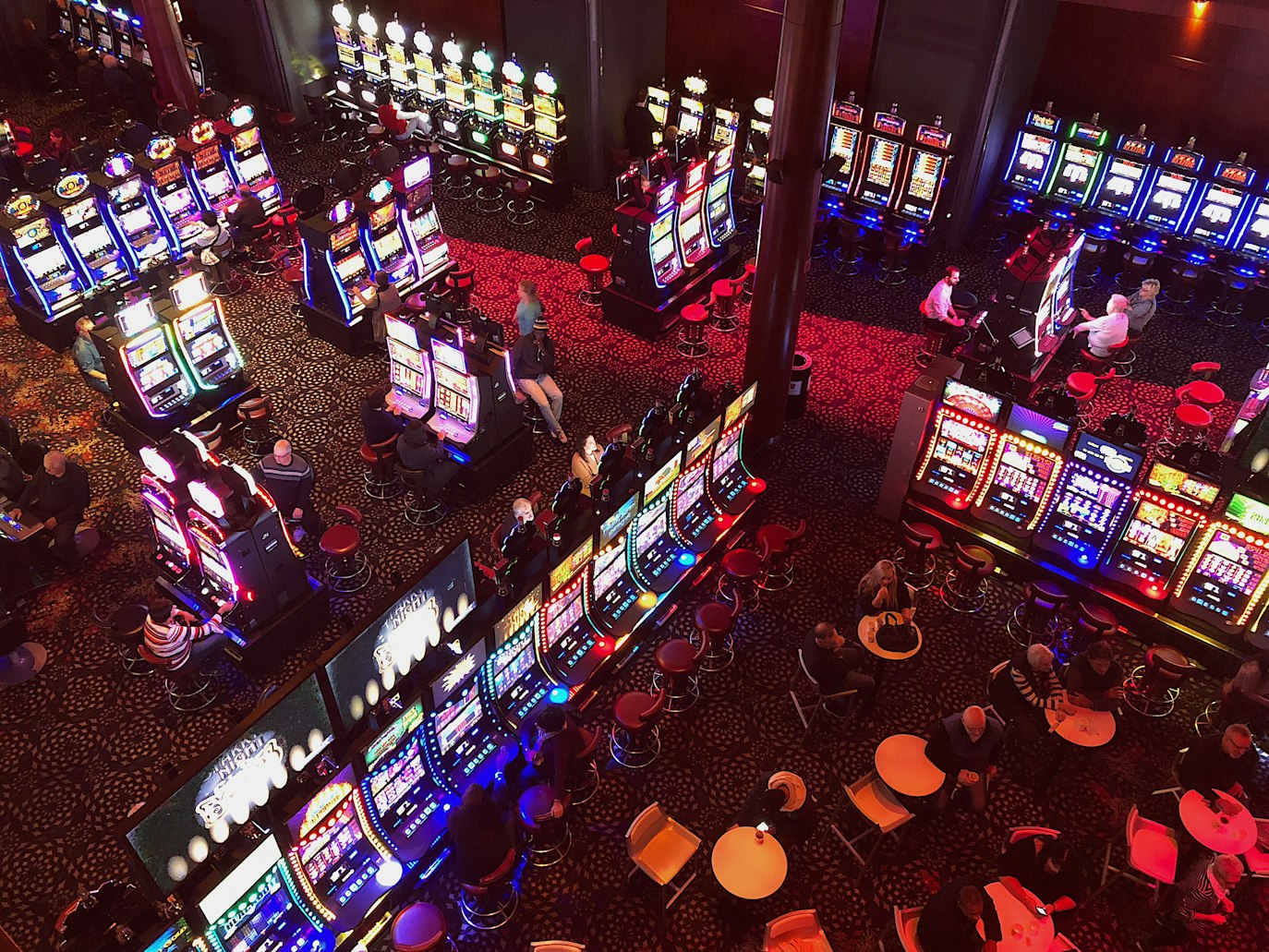
The proliferation of legal casinos sparked innovations in gaming technology, including the introduction of slot machines and electronic gaming systems, which transformed the gambling experience. These advancements democratized gambling, allowing more individuals to participate regardless of their background or status. The era also saw the birth of various gambling events, including state lotteries and betting on sports, further broadening the appeal of chance-based games.
Towards the end of the century, the advent of the internet began to reshape the gambling landscape once again. The launch of online casinos in the late 1990s marked a significant milestone, allowing players to enjoy a variety of games from the comfort of their homes. This shift democratized access to gambling, leading to a globalized industry that transcended borders and cultural barriers, fundamentally altering the way people engage with chance and fortune.
Gambling in the Digital Age: A Cultural Phenomenon
As we ventured into the 21st century, online gambling gained immense popularity, significantly changing the gambling landscape. The rise of mobile technology allowed players to access casinos and betting sites from anywhere, making gambling more convenient than ever. This accessibility has led to an explosion in the number of online platforms and a diversification of gaming options, catering to various tastes and preferences.
Moreover, social media and streaming platforms have created new avenues for engaging with gambling, allowing players to share experiences and connect over their favorite games. This cultural phenomenon has sparked discussions around responsible gambling, highlighting the need for safeguards to protect vulnerable individuals. With the integration of technology, gambling has evolved into a multifaceted experience that is interwoven with social interaction.
Virtual reality and augmented reality technologies are on the horizon, promising to revolutionize the gambling experience further. These advancements could create immersive environments where players interact with digital casinos and live dealers, blurring the lines between the physical and virtual worlds. As gambling continues to evolve, it remains a powerful reflection of human nature’s intricate relationship with chance and fortune.

Your Gateway to the World of Gambling
Exploring the evolution of gambling offers valuable insights into humanity’s enduring fascination with chance and fortune. From its ancient roots to the sophisticated digital experiences of today, gambling has woven itself into the fabric of cultures around the world. It reflects societal changes, technological advancements, and evolving attitudes toward risk and reward.
For those interested in experiencing this thrilling world firsthand, numerous online platforms offer a plethora of games designed to cater to various tastes and preferences. Whether you’re a novice seeking to understand the basics or a seasoned player looking for new challenges, the online gambling landscape provides ample opportunities. Immerse yourself in this captivating realm and discover how it has evolved to meet the desires of players across the globe.